Understand Modern Legal Careers
Recognize roles in legal operations, legal technology, project management, analytics, innovation, pricing, and business management.
LegalOpsKPIs collaborates with universities and law schools to connect legal education with the way modern legal departments, law firms, and legal-service organizations use data, technology, process, and business judgment.
Students are entering a profession shaped by corporate legal departments, law-firm economics, legal technology, AI, data, project management, client expectations, and multidisciplinary teams.
Many students have limited exposure to how legal organizations define value, measure performance, allocate resources, communicate with business leaders, and improve the delivery of work.
How legal work creates and measures value
Information turned into KPIs and decisions
Legal tech and AI judged by outcomes
Complexity made clear and actionable
Each program connects legal concepts to the operating, analytical, technical, and communication skills used in modern legal careers.
Recognize roles in legal operations, legal technology, project management, analytics, innovation, pricing, and business management.
Collaborate with Finance, IT, procurement, data teams, and business stakeholders using a common problem-solving language.
Explain how legal departments and law firms define value, manage demand, allocate resources, and support organizational decisions.
Choose a focused set of measures for a legal workflow, management question, client promise, or improvement objective.
Move from raw information to a clear visual, argument, and recommendation that a client or leader can understand.
Assess tools through outcomes, adoption, risk, quality, process impact, and human judgment rather than features or hype alone.
Formats can fit an existing class or grow into a longer applied-learning experience. Programs may be delivered onsite, online, or in a hybrid setting.
A focused introduction with discussion for an existing class, speaker series, career program, or student event.
Interactive discussion, case examples, KPI selection, data interpretation, process mapping, and individual or group exercises.
Readings, assignments, group work, and an optional capstone presentation inside an existing course or as a stand-alone short program.
A co-designed module or course that may use Legal Operations KPIs or Law Firm KPIs as a reference text and include cases, assignments, or assessment support.
Topics can be combined, sequenced, and adjusted to student level, course objectives, available time, and academic assessment needs.
How legal departments and law firms manage work, resources, performance, and business priorities.
Roles in legal operations, project management, technology, analytics, innovation, and business services.
Use cases, adoption, governance, risk, quality, human oversight, and business impact.
Matter planning, workflow design, coordination, cycle time, capacity, and bottlenecks.
Metric selection, KPI definitions, targets, leading and lagging indicators, and common measurement errors.
Dashboards, executive summaries, decision memos, and clear presentation of findings.
Pricing, alternative fee arrangements, leverage, realization, profitability, and client reporting.
Legal spend, resourcing, demand management, vendor performance, and matter oversight.
Adoption, change management, trust, ethics, professional responsibility, and human review.
Career opportunities that combine legal knowledge with operations, analytics, technology, and business.
The university and LegalOpsKPIs align the program with the academic setting before the session is designed.
Discuss the course, student profile, learning outcomes, prior knowledge, schedule, and institutional priorities with faculty.
Select the format, topics, cases, terminology, degree of application, and any assignment or assessment expectations.
Mori leads the lecture, workshop, module, or executive session, supported by agreed LegalOpsKPIs team members or guest practitioners where the program benefits from additional perspectives.
Provide agreed readings, reference materials, templates, assignments, or faculty resources that support continued study after the session.
“Mr. Kabiri provided practical examples and use case scenarios to illustrate the impact of data visualization techniques and data storytelling on the interpretive quality of data analyses and decision-making processes in companies.”
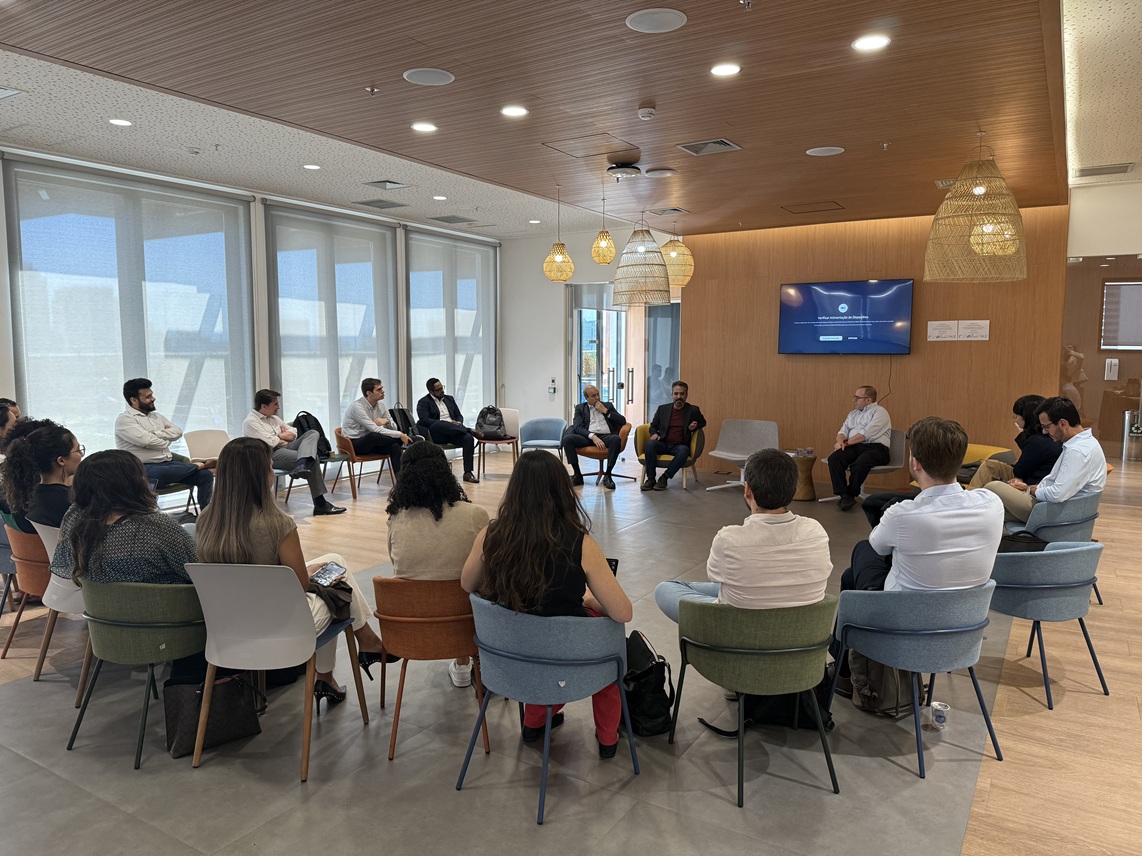
“CEPI FGV Direito SP had the honor of welcoming Mori Kabiri for a thought-provoking roundtable on the impact of generative AI in the legal profession. Drawing from international experience, he offered valuable insights into the ethical, regulatory, and practical challenges surrounding AI in the legal field. Thank you for your generosity and contribution to the debate.”
“It was a pleasure to host you. Thank you for sharing your knowledge with such generosity. We are also grateful for the opportunity to access this timely and relevant book. We look forward to future collaborations.”
“It was a very positive experience. The students were engaged throughout, asking thoughtful questions and contributing actively to the discussion. We would be delighted to welcome you back for another session.”
“Thank you for your presentation and for your time. Your perspective brought great value to the class, and the students clearly learned a lot and enjoyed the session.”
Share the institution, course or program, student level, timing, delivery preference, and the learning outcomes you want to create. We will recommend the most appropriate format and next step.


